-
Open AI Releases PaperBench: A Challenging Benchmark for Assessing AI Agents’ Abilities to Replicate Cutting-Edge Machine Learni…
Open AI Releases PaperBench: A Challenging Benchmark for Assessing AI Agents’ Abilities to Replicate Cutting-Edge Machine Learning Research The rapid progress in artificial intelligence (AI) and machine learning (ML) research underscores the importance of accurately evaluating AI agents&; capabilities in replicating complex, empirical research tasks traditionally performed by human researchers. Currently, systematic evaluation tools that… →

-
-
Metaphysical Properties of Rosemary: Healing, Protection, and Spiritual Benefits
Metaphysical Properties of Rosemary: Healing, Protection, and Spiritual Benefits Rosemary isn’t just a flavorful herb for your kitchen—it’s also revered for its deep metaphysical properties that have been celebrated for centuries. From ancient rituals to modern-day meditation practices, rosemary is believed to offer a multitude of spiritual and energetic benefits. In this article, we’ll explore… →
-
Mitigating Hallucinations in Large Vision-Language Models: A Latent Space Steering Approach
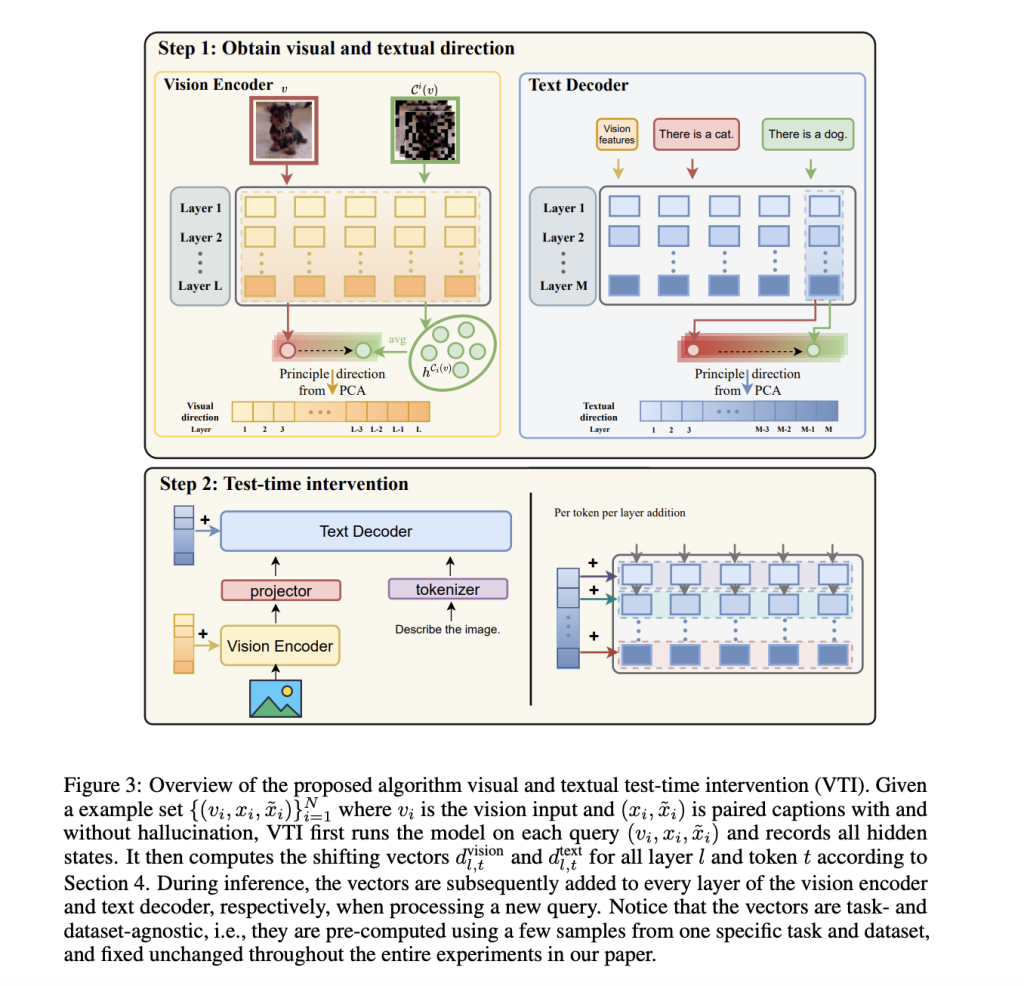
Mitigating Hallucinations in Large Vision-Language Models: A Latent Space Steering Approach Hallucination remains a significant challenge in deploying Large Vision-Language Models (LVLMs), as these models often generate text misaligned with visual inputs. Unlike hallucination in LLMs, which arises from linguistic inconsistencies, LVLMs struggle with cross-modal discrepancies, leading to inaccurate image descriptions or incorrect spatial relationships.… →
-
Nomic Open Sources State-of-the-Art Multimodal Embedding Model
Nomic Open Sources State-of-the-Art Multimodal Embedding Model Nomic has announced the release of &; a groundbreaking embedding model that achieves state-of-the-art performance on visual document retrieval tasks. The new model seamlessly processes interleaved text, images, and screenshots, establishing a new high score on the Vidore-v2 benchmark for visual document retrieval. This advancement is particularly significant… →
-
Синтез — антибиотики и противотуберкулезные препараты
Производство антибиотиков и противотуберкулезных препаратов. →
-
Red Light Therapy Before and After: Transformative Results Unveiled
Red Light Therapy Before and After: Transformative Results Unveiled Imagine stepping into a softly lit room where a gentle, warm glow envelops your body. After just a few sessions, you notice smoother skin, reduced muscle soreness, and a profound sense of well-being. This is the transformative power of red light therapy (RLT) —a non-invasive technique… →

-
-
Meta AI Proposes Multi-Token Attention (MTA): A New Attention Method which Allows LLMs to Condition their Attention Weights on M…
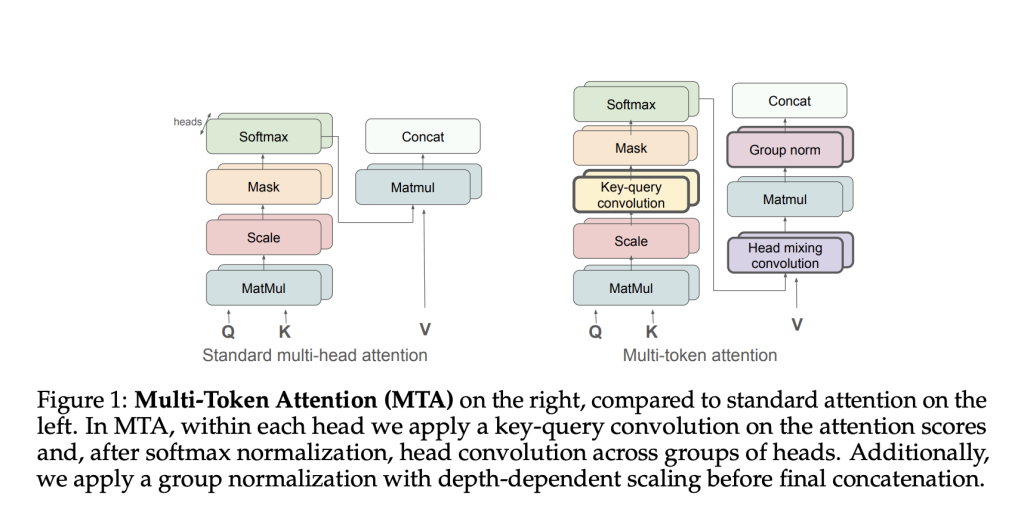
Meta AI Proposes Multi-Token Attention (MTA): A New Attention Method which Allows LLMs to Condition their Attention Weights on Multiple Query and Key Vectors Large Language Models (LLMs) significantly benefit from attention mechanisms, enabling the effective retrieval of contextual information. Nevertheless, traditional attention methods primarily depend on single token attention, where each attention weight is… →