-
This AI Paper from ByteDance Introduces a Hybrid Reward System Combining Reasoning Task Verifiers (RTV) and a Generative Reward …
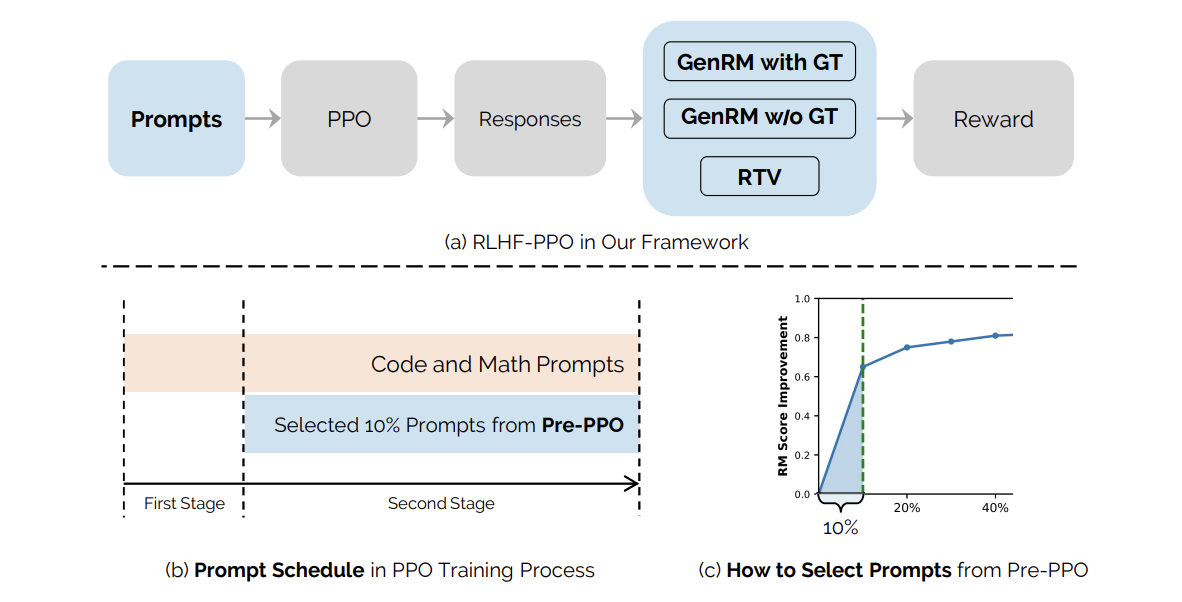
This AI Paper from ByteDance Introduces a Hybrid Reward System Combining Reasoning Task Verifiers (RTV) and a Generative Reward Model (GenRM) to Mitigate Reward Hacking Reinforcement Learning from Human Feedback (RLHF) is crucial for aligning LLMs with human values and preferences. Despite introducing non-RL alternatives like DPO, industry-leading models such as ChatGPT/GPT-4, Claude, and Gemini… →
-
Viral loops – Вирусные механики. Как пользователи могут приводить новых, создавая вирусный цикл (например, Dropbox раздавал допо…
Viral loops – Вирусные механики. Как пользователи могут приводить новых, создавая вирусный цикл (например, Dropbox раздавал дополнительное место за приглашение друзей). Как использовать эти механики для роста продукта. #Продукт #ИИМаркетинг #Маркетинг #Менеджмент #ИИМенеджмент →

-
Р-Фарм — крупнейший производитель медикаментов
Производство лекарств с учетом инновационных технологий. →
-
Viral Lift – Дополнительный рост за счёт вирусного распространения. Когда один пользователь привлекает других, что делает реклам…
Viral Lift – Дополнительный рост за счёт вирусного распространения. Когда один пользователь привлекает других, что делает рекламу более эффективной и дешёвой. Как создать продукт, который сам по себе растёт через рекомендации пользователей. #ИИМенеджмент #Продуктовыймененджмент #ИИМаркетинг #Менеджмент #Маркетинг →

-
Противовирусные препараты от Промомед
Производство лекарств, включая противовирусные средства. →
-
Unleashing Human Potential: Biohackers World Conference & Expo 2025
Unleashing Human Potential: Biohackers World Conference & Expo 2025 The Biohackers World 2025 Conference & Expo Offered an Unparalleled Opportunity for Individuals Passionate About Wellness, Cutting-Edge Technology, and Human Performance Optimizatio n The event, which took place in Los Angeles on March 29-30, showcased the brightest minds in biohacking, science, and health, transforming the future… →

-
A qualitative exploration of factors that influence engagement with a digital mental health intervention for women with metastatic breast cancer: Finding My Way-Advanced
CONCLUSIONS: This study confirms that while many DMHI facilitators and barriers are consistent with those identified in curatively treated settings, some factors become more salient in metastatic populations (e.g., time burden). This research also offers novel insights that deriving early personal benefit promotes engagement and provides targets for future program improvements to address navigation and… →

-
Ticagrelor Compared to Clopidogrel in Acute Coronary Syndromes trial (TC4): a Bayesian pragmatic cluster randomized controlled trial
BACKGROUND: Dual antiplatelet therapy is the standard of care for acute coronary syndrome, but uncertainty exists regarding the optimal regimen for patients in North America. We sought to compare the effectiveness and safety of acetylsalicylic acid (ASA) and ticagrelor or clopidogrel in patients with acute coronary syndrome from a single tertiary academic centre in Montréal,… →
