-
Efficacy of topical tacrolimus 0.03% ointment in combination with microneedling versus topical phenytoin 2% cream in combination with microneedling for the treatment of non-segmental facial vitiligo
CONCLUSION: Our results provide additional evidence for the potential positive role of phenytoin as a therapeutic option in patients with non segmental vitiligo. However, tacrolimus 0.03% ointment combined with microneedling was associated with a better response than phenytoin 2% cream combined with microneedling. →

-
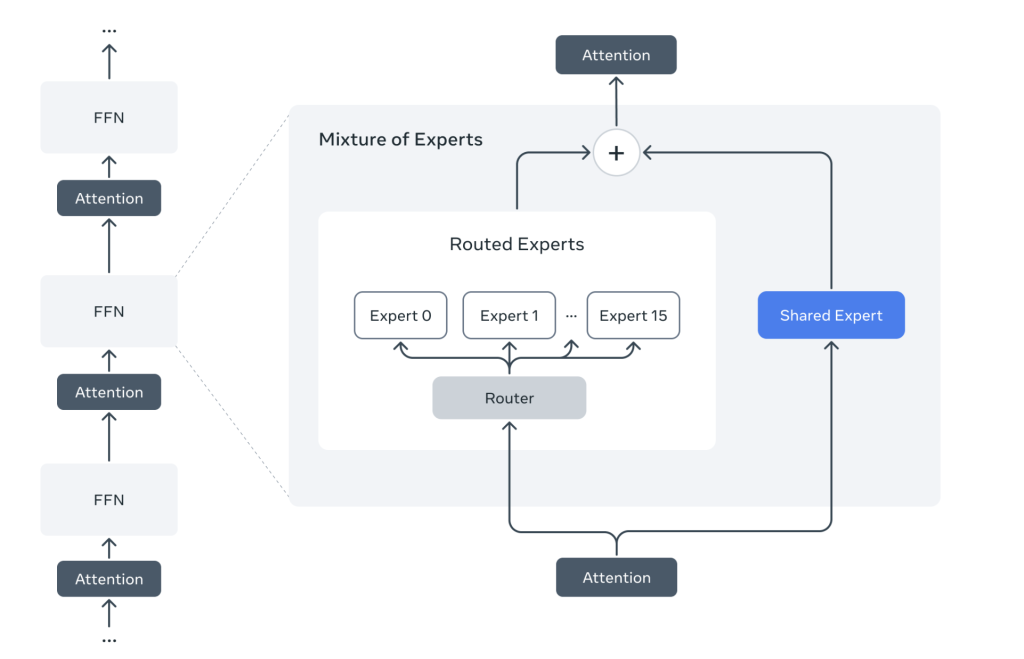
Meta AI Just Released Llama 4 Scout and Llama 4 Maverick: The First Set of Llama 4 Models
Meta AI Just Released Llama 4 Scout and Llama 4 Maverick: The First Set of Llama 4 Models Today, Meta AI announced the release of its latest generation multimodal models, Llama 4, featuring two variants: Llama 4 Scout and Llama 4 Maverick. These models represent significant technical advancements in multimodal AI, offering improved capabilities for… →
-
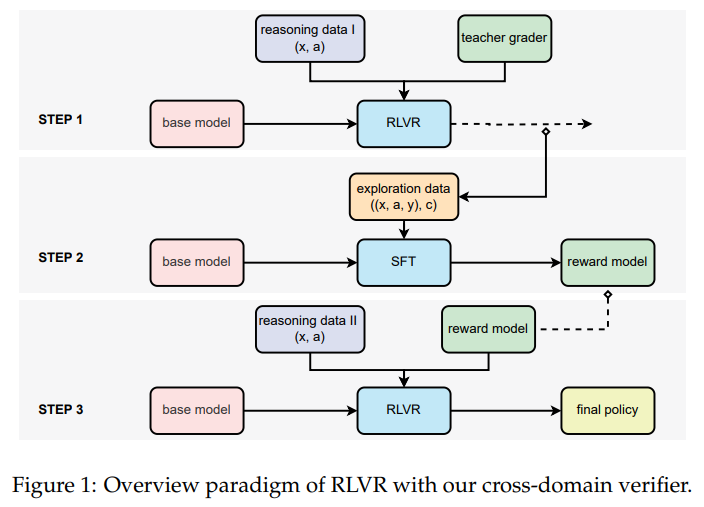
Scalable Reinforcement Learning with Verifiable Rewards: Generative Reward Modeling for Unstructured, Multi-Domain Tasks…
Scalable Reinforcement Learning with Verifiable Rewards: Generative Reward Modeling for Unstructured, Multi-Domain Tasks Reinforcement Learning with Verifiable Rewards (RLVR) has proven effective in enhancing LLMs&; reasoning and coding abilities, particularly in domains where structured reference answers allow clear-cut verification. This approach relies on reference-based signals to determine if a model& response aligns with a known… →
-
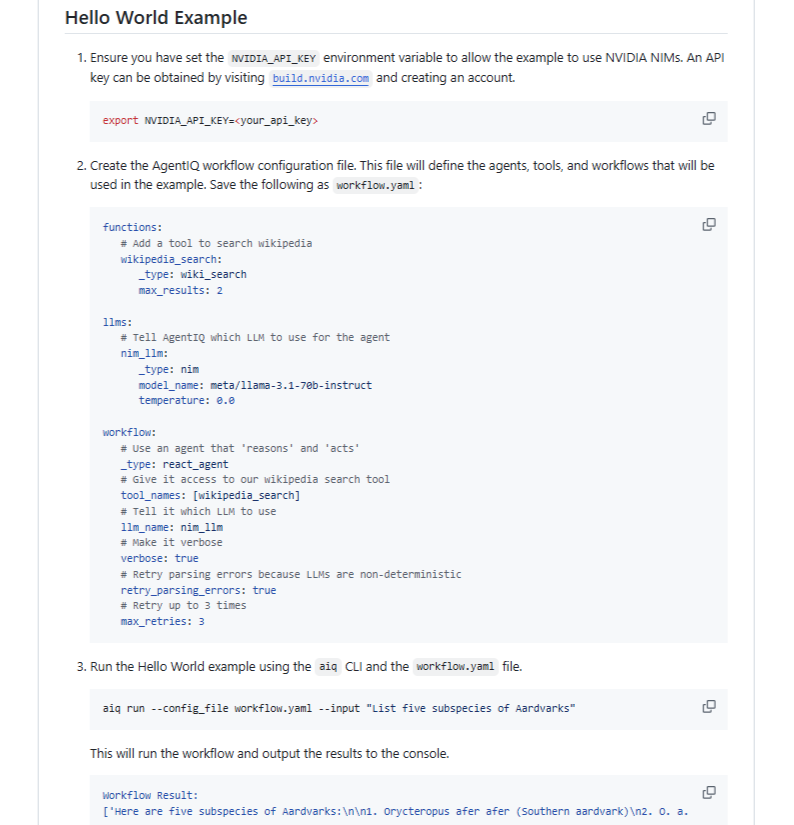
NVIDIA AI Released AgentIQ: An Open-Source Library for Efficiently Connecting and Optimizing Teams of AI Agents…
NVIDIA AI Released AgentIQ: An Open-Source Library for Efficiently Connecting and Optimizing Teams of AI Agents Enterprises increasingly adopt agentic frameworks to build intelligent systems capable of performing complex tasks by chaining tools, models, and memory components. However, as organizations build these systems across multiple frameworks, challenges arise regarding interoperability, observability, performance profiling, and workflow… →
-
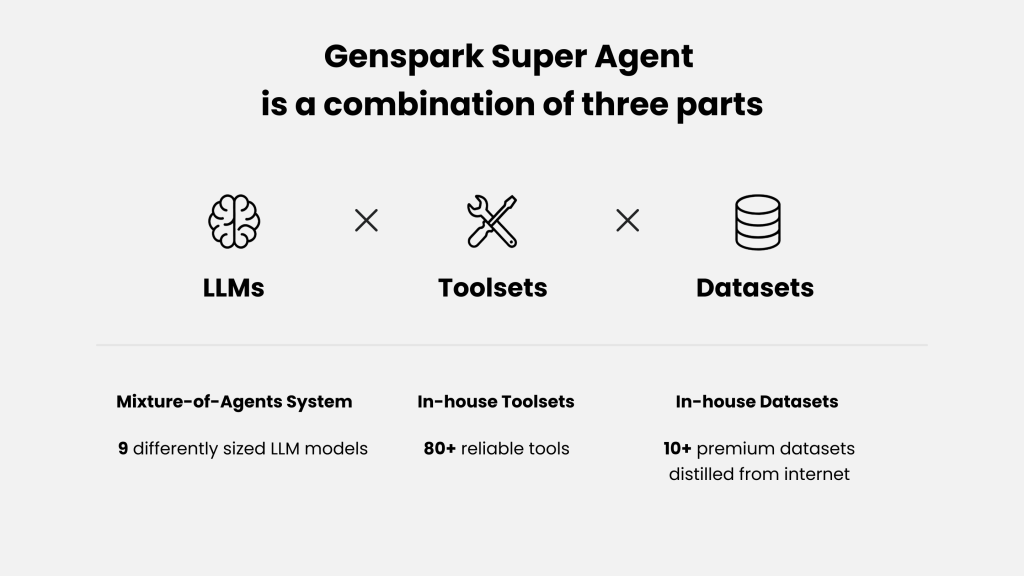
Meet GenSpark Super Agent: The All-in-One AI Agent that Autonomously Think, Plan, Act, and Use Tools to Handle All Your Everyday…
Meet GenSpark Super Agent: The All-in-One AI Agent that Autonomously Think, Plan, Act, and Use Tools to Handle All Your Everyday Tasks GenSpark Super Agent (often just called GenSpark ) is a new general-purpose AI agent designed to autonomously handle complex tasks across domains. Unlike a simple chatbot or script, GenSpark can “think, plan, act,… →
-
A Code Implementation to Building a Context-Aware AI Assistant in Google Colab Using LangChain, LangGraph, Gemini Pro, and Model…
A Code Implementation to Building a Context-Aware AI Assistant in Google Colab Using LangChain, LangGraph, Gemini Pro, and Model Context Protocol (MCP) Principles with Tool Integration Support In this hands-on tutorial, we bring the core principles of the Model Context Protocol (MCP) to life by implementing a lightweight, context-aware AI assistant using LangChain, LangGraph, and… →

-
Phase I Study of Subcutaneous Rituximab Hyaluronidase Combined With CHOP Chemotherapy for the Treatment of Diffuse Large B-Cell Lymphoma in Uganda
CONCLUSION: As demonstrated in other parts of the world, sqR together with CHOP was safe, well-tolerated, and efficacious among Ugandan patients with DLBCL. The very high OS rates are nearly double those of historical controls and comparable with outcomes expected in resource-rich settings. This study demonstrated the feasibility, safety, and efficacy of sqR-CHOP, increased the… →

-
Telehealth intervention involving the HEARTS Technical Package and the additional use of an activity monitor to increase physical activity level post-stroke: Protocol for a feasibility randomized controlled trial
BACKGROUND: Low physical activity level is a common risk factor for recurrent stroke. Feasibility studies show behavior change interventions can increase physical activity participation, but face barriers (e.g., home visits or internet access). Low-cost telehealth approaches, like telephone calls, may overcome these challenges. Another low-cost strategy involves motivational tools supporting «Behavioral Regulation,» such as physical… →

-
Building Your AI Q&A Bot for Webpages Using Open Source AI Models
Building Your AI Q&A Bot for Webpages Using Open Source AI Models In today& information-rich digital landscape, navigating extensive web content can be overwhelming. Whether you& researching for a project, studying complex material, or trying to extract specific information from lengthy articles, the process can be time-consuming and inefficient. This is where an AI-powered Question-Answering… →

-
The GTM AI Operating System
Hello and welcome to The GTM Newsletter by GTMnow – read by 50,000+ to scale their companies and careers. GTMnow shares insight around the go-to-market strategies responsible for explosive company growth. GTMnow highlights the strategies, along with the stories from the top 1% of GTM executives, VCs, and founders behind these strategies and companies. The… →