-
Google AI Introduce the Articulate Medical Intelligence Explorer (AMIE): A Large Language Model Optimized for Diagnostic Reasoni…
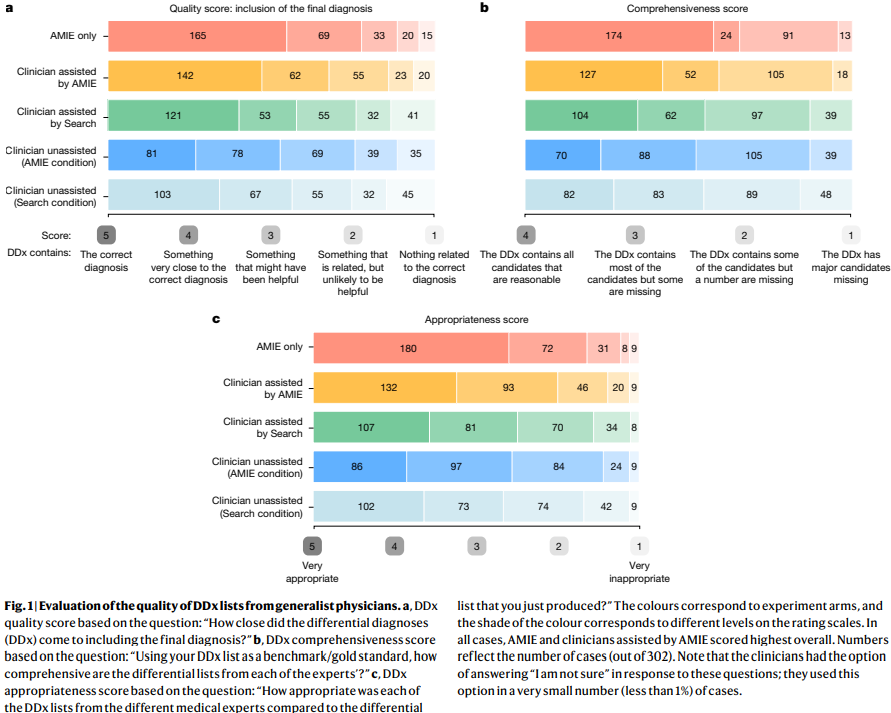
Google AI Introduce the Articulate Medical Intelligence Explorer (AMIE): A Large Language Model Optimized for Diagnostic Reasoning, and Evaluate its Ability to Generate a Differential Diagnosis Developing an accurate differential diagnosis (DDx) is a fundamental part of medical care, typically achieved through a step-by-step process that integrates patient history, physical exams, and diagnostic tests. With… →
-
Step by Step Coding Guide to Build a Neural Collaborative Filtering (NCF) Recommendation System with PyTorch…
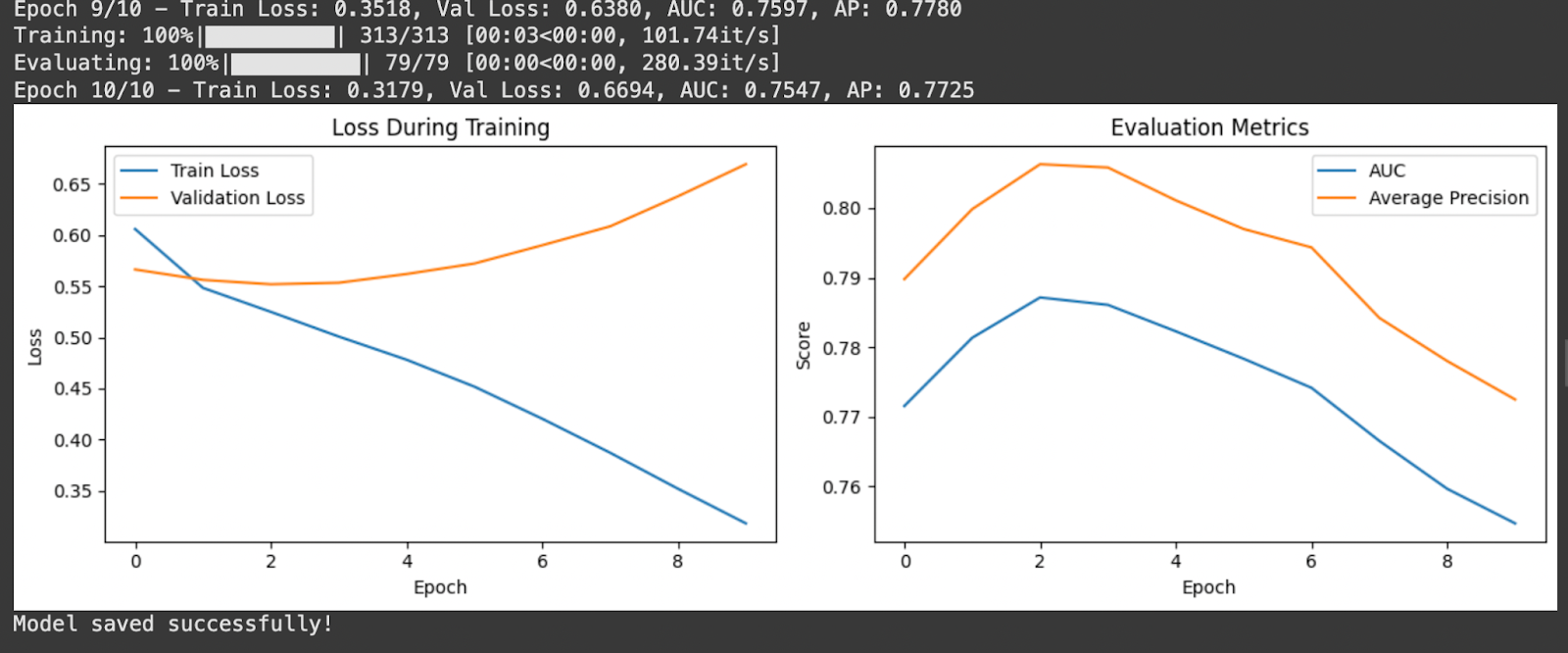
Step by Step Coding Guide to Build a Neural Collaborative Filtering (NCF) Recommendation System with PyTorch This tutorial will walk you through using PyTorch to implement a Neural Collaborative Filtering (NCF) recommendation system. NCF extends traditional matrix factorisation by using neural networks to model complex user-item interactions. Introduction Neural Collaborative Filtering (NCF) is a state-of-the-art… →
-
Moonsight AI Released Kimi-VL: A Compact and Powerful Vision-Language Model Series Redefining Multimodal Reasoning, Long-Context…
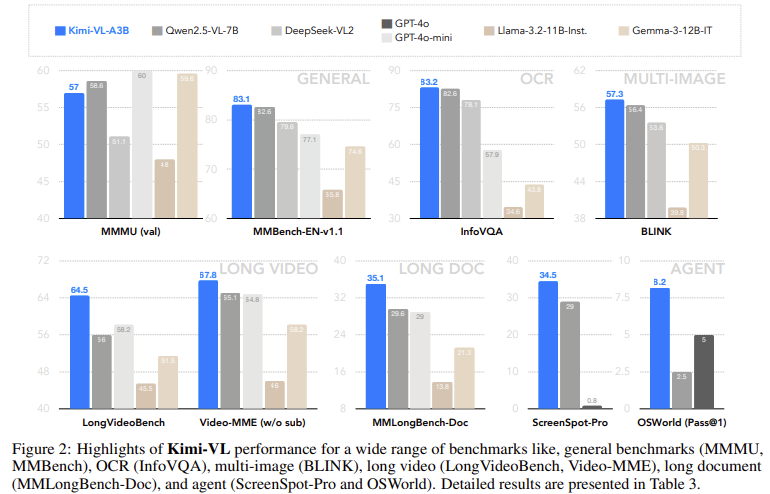
Moonsight AI Released Kimi-VL: A Compact and Powerful Vision-Language Model Series Redefining Multimodal Reasoning, Long-Context Understanding, and High-Resolution Visual Processing Multimodal AI enables machines to process and reason across various input formats, such as images, text, videos, and complex documents. This domain has seen increased interest as traditional language models, while powerful, are inadequate when… →
-
A Web-Based Tool to Perform a Values Clarification for Stroke Prevention in Patients With Atrial Fibrillation: Design and Preliminary Testing Study
CONCLUSIONS: Visual aids can modestly affect decision confidence and perceptions regarding the benefits of OAC but do not significantly alter decision certainty in a scenario where the guidelines do not recommend for or against OAC. Future work should determine the role of a gauge versus icon array visual for decision-making in stroke prevention in AF. →

-
Trajectories of Irritability Improvement in Depressed Adolescents Treated With 1 Hz and 10 Hz Transcranial Magnetic Stimulation
Objective: Irritability is a debilitating, transdiagnostic symptom in adolescents spanning internalizing and externalizing disorders, and early reduction in irritability with antidepressant treatments has been seen as a positive prognostic sign in depression recovery. There are substantial knowledge gaps regarding how transcranial magnetic stimulation (TMS) treatments impact irritability. →

-
How to do SEO right in 2025 (hint: most companies get it wrong)
Hello and welcome to The GTM Newsletter by GTMnow – read by 50,000+ to scale their companies and careers. GTMnow shares insight around the go-to-market strategies responsible for explosive company growth. GTMnow highlights the strategies, along with the stories from the top 1% of GTM executives, VCs, and founders behind these strategies and companies. Over… →

-
Oracle Data Science vs Azure AI: Maximize Product ROI with Smarter Forecasting
Oracle Data Science integrates AI and ML into enterprise workflows for tasks like demand forecasting and fraud detection This boosts revenue by optimizing operations Optimizing cloud resource usage via automated scaling reduces infrastructure costs Equivalent products from the list include Microsoft Azure AI or AWS AI Services →

-
Allen Institute for AI (Ai2) Launches OLMoTrace: Real-Time Tracing of LLM Outputs Back to Training Data…
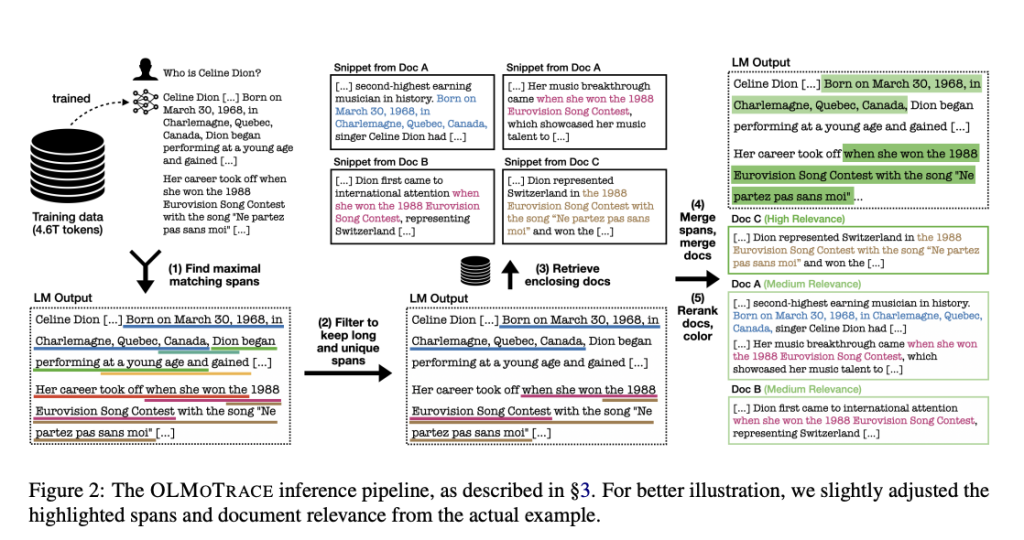
Allen Institute for AI (Ai2) Launches OLMoTrace: Real-Time Tracing of LLM Outputs Back to Training Data Understanding the Limits of Language Model Transparency As large language models (LLMs) become central to a growing number of applications—ranging from enterprise decision support to education and scientific research—the need to understand their internal decision-making becomes more pressing. A… →
-
Laser patterned microcoagulation (LPM) in the management of desquamative gingivitis secondary to oral lichen planus: A randomized controlled pilot clinical trial (LPM TRIAL)
The application of laser patterned microcoagulation (LPM) for the management of desquamative gingivitis secondary to oral lichen planus (OLP) was investigated. This single-centre, randomized, sham-controlled, single-blinded, parallel-arm pilot clinical trial included 30 patients diagnosed with OLP manifesting only as desquamative gingivitis. Permuted block randomization was performed. LPM was performed in the test group and sham… →

-
Efficacy and Safety of Dulaglutide Biosimilar LY05008 Versus the Reference Product Dulaglutide (Trulicity) in Chinese Adults With Type 2 Diabetes Mellitus: A Randomized, Open-Label, Active Comparator Study
CONCLUSION: The primary endpoint was met in this study through the demonstration of equivalent efficacy in HbA1c reduction in Chinese adults with T2DM between LY05008 and dulaglutide. Overall, the biosimilar product LY05008 showed comparable safety, PK, and immunogenicity profiles against the reference drug dulaglutide. →