-
Combined Treatment With Cognitive Behavioral Therapy for Insomnia and Acceptance and Commitment Therapy Enhances Objective and Subjective Reports of Sleep in Patients With Advanced Cancer
CONCLUSIONS: Multi-symptom interventions may be necessary for sustained insomnia improvements for people with advanced cancer. The FOCUS intervention is one of the first to demonstrate improvements on self-reported and actigraphic measures of sleep in addition to other symptoms (i.e., worry, uncertainty, depression, fatigue interference, distress) for this population. Future effectiveness studies are warranted given results… →

-
Usability and acceptability of ambulatory monitoring in undiagnosed syncope: insights from the ASPIRED-Q qualitative study
CONCLUSIONS: An immediate, enhanced (14-day) ambulatory ECG monitoring patch was positively received by patients and offered healthcare professionals an acceptable route for monitoring emergency department patients with unexplained syncope. However, future use should be controlled using standardised pathways to prevent inappropriate use. →

-
Effectiveness and satisfaction of mindfulness-based cognitive therapy for children on anxiety, depression, and internet addiction in adolescents: Study protocol for a randomized control trial
Adolescents with Internet addiction (IA) frequently encounter elevated levels of anxiety and depression, which subsequently results in the perpetuation of their addiction behaviors. Mindfulness-based cognitive therapy for children (MBCT-C) is an adapted version of traditional MBCT that targets emotional problems in children. The present study aimed to provide a framework for the implementation of a… →

-
RapidMiner vs Alteryx: No-Code AI Tools That Cut Product Time-to-Market
RapidMiner automates data preprocessing and model training enabling faster product launches This increases profit by reducing time-to-market Lowering dependency on data scientists through no-code tools decreases labor costs Equivalent products from the list include Alteryx or Oracle Data Science →

-
Google Introduces Agent2Agent (A2A): A New Open Protocol that Allows AI Agents Securely Collaborate Across Ecosystems Regardless…
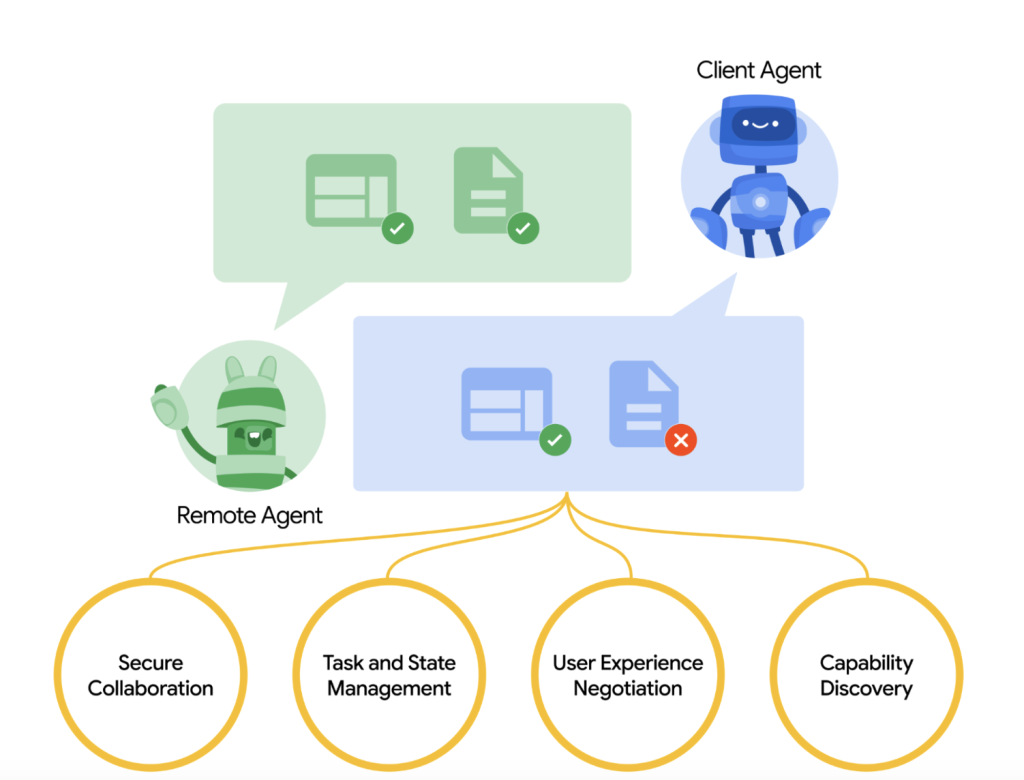
Google Introduces Agent2Agent (A2A): A New Open Protocol that Allows AI Agents Securely Collaborate Across Ecosystems Regardless of Framework or Vendor Google AI recently announced Agent2Agent (A2A) , an open protocol designed to facilitate secure, interoperable communication among AI agents built on different platforms and frameworks. By offering a standardized approach to agent interaction, A2A… →
-
Google Releases Agent Development Kit (ADK): An Open-Source AI Framework Integrated with Gemini to Build, Manage, Evaluate and D…
Google Releases Agent Development Kit (ADK): An Open-Source AI Framework Integrated with Gemini to Build, Manage, Evaluate and Deploy Multi Agents Google has released the Agent Development Kit (ADK) , an open-source framework aimed at making it easier for developers to build, manage, and deploy multi-agent systems. ADK is written in Python and focuses on… →

-
Unveiling Attention Sinks: The Functional Role of First-Token Focus in Stabilizing Large Language Models…
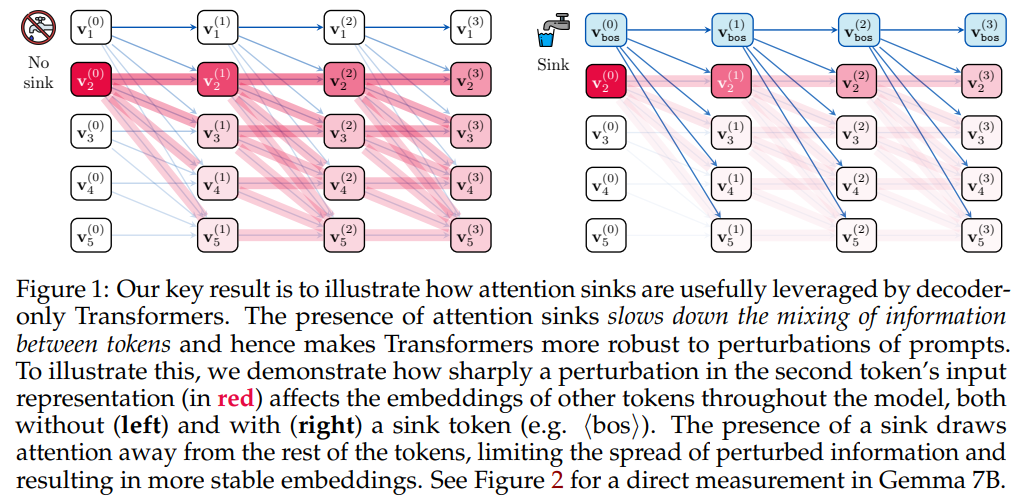
Unveiling Attention Sinks: The Functional Role of First-Token Focus in Stabilizing Large Language Models LLMs often show a peculiar behavior where the first token in a sequence draws unusually high attention—known as an & sink.&; Despite seemingly unimportant, this token frequently dominates attention across many heads in Transformer models. While prior research has explored when… →
-
TorchSim: A Next-Generation PyTorch-Native Atomistic Simulation Engine for the MLIP Era
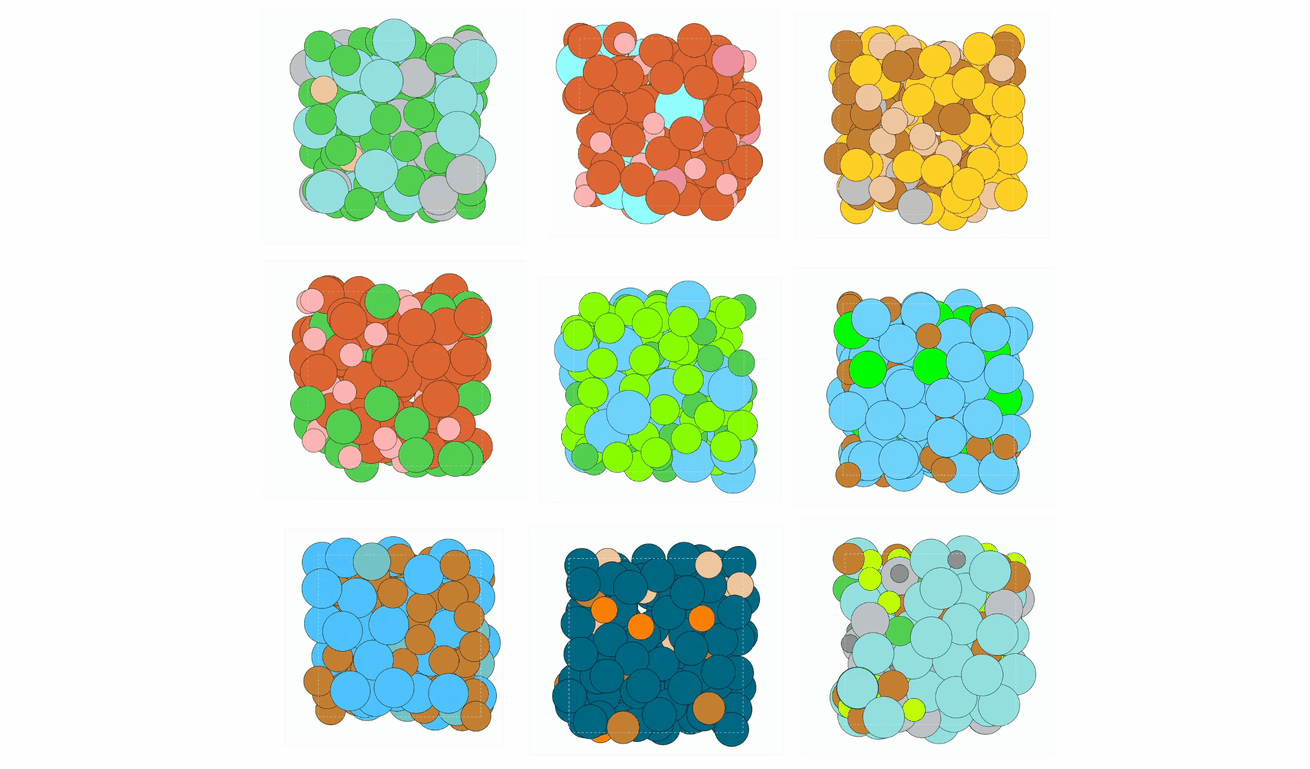
TorchSim: A Next-Generation PyTorch-Native Atomistic Simulation Engine for the MLIP Era Radical AI has released TorchSim, a next-generation PyTorch-native atomistic simulation engine for the MLIP era. It accelerates materials simulation by orders of magnitude, transforming traditional scientific approaches. Current materials research requires large teams focused on single problems, resulting in slow progress and high costs.… →
-
Skinny Pop Nutrition Facts: Is This Popular Snack Really a Smart Choice?
Skinny Pop Nutrition Facts: Is This Popular Snack Really a Smart Choice? In a world where mindful snacking is trending, Skinny Pop has quickly become a go-to for those seeking a lighter alternative to traditional chips and buttery popcorn. But what lies beneath the buzz? If you& here searching for & Pop nutrition facts,&; you&… →

-
Within-trial cost-effectiveness of novel macrophage-regulating treatment on wound healing in patients with diabetic foot ulcers
An M1/M2 macrophage-regulating treatment, ON101 cream, has shown its superior healing efficacy for diabetic foot ulcers (DFUs) versus standard absorbent dressing, according to a phase III trial. Given its high cost, corroborating the economic value of ON101 treatment can facilitate clinical and policy decision-makings. This study sought to evaluate the cost-effectiveness of ON101 versus an… →
