-
Google AI Introduces Ironwood: A Google TPU Purpose-Built for the Age of Inference
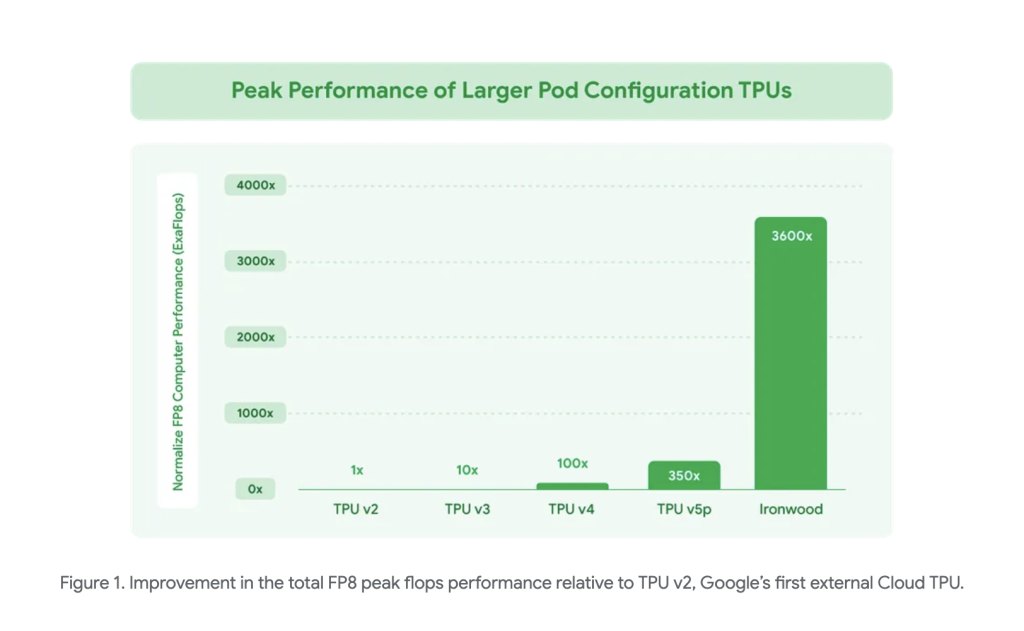
Google AI Introduces Ironwood: A Google TPU Purpose-Built for the Age of Inference At the 2025 Google Cloud Next event, Google introduced Ironwood , its latest generation of Tensor Processing Units (TPUs), designed specifically for large-scale AI inference workloads. This release marks a strategic shift toward optimizing infrastructure for inference, reflecting the increasing operational focus… →
-
ByteDance Introduces VAPO: A Novel Reinforcement Learning Framework for Advanced Reasoning Tasks
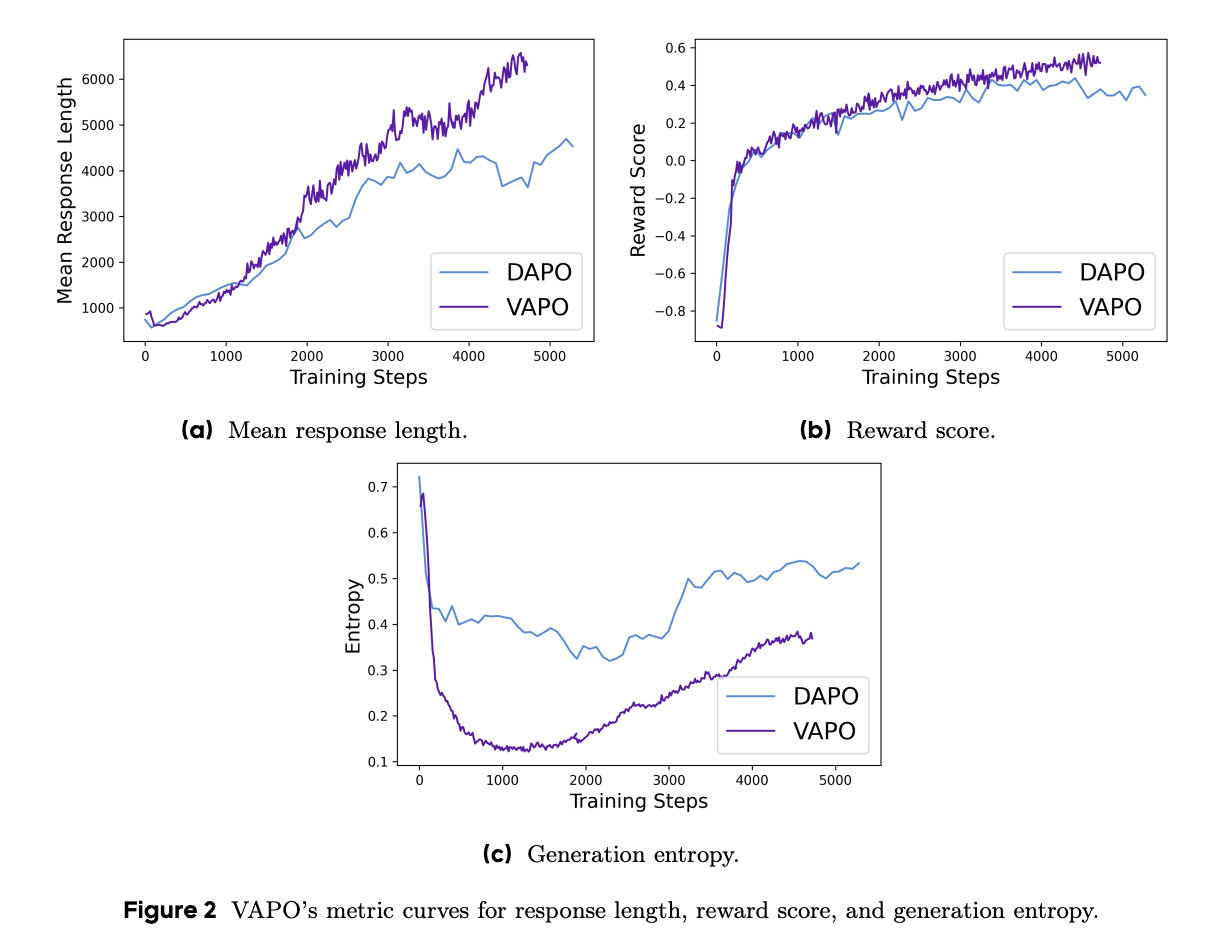
ByteDance Introduces VAPO: A Novel Reinforcement Learning Framework for Advanced Reasoning Tasks In the Large Language Models (LLM) RL training, value-free methods like GRPO and DAPO have shown great effectiveness. The true potential lies in value-based methods, which allow more precise credit assignment by accurately tracing each action& impact on subsequent returns. This precision is… →
-
T* and LV-Haystack: A Spatially-Guided Temporal Search Framework for Efficient Long-Form Video Understanding…
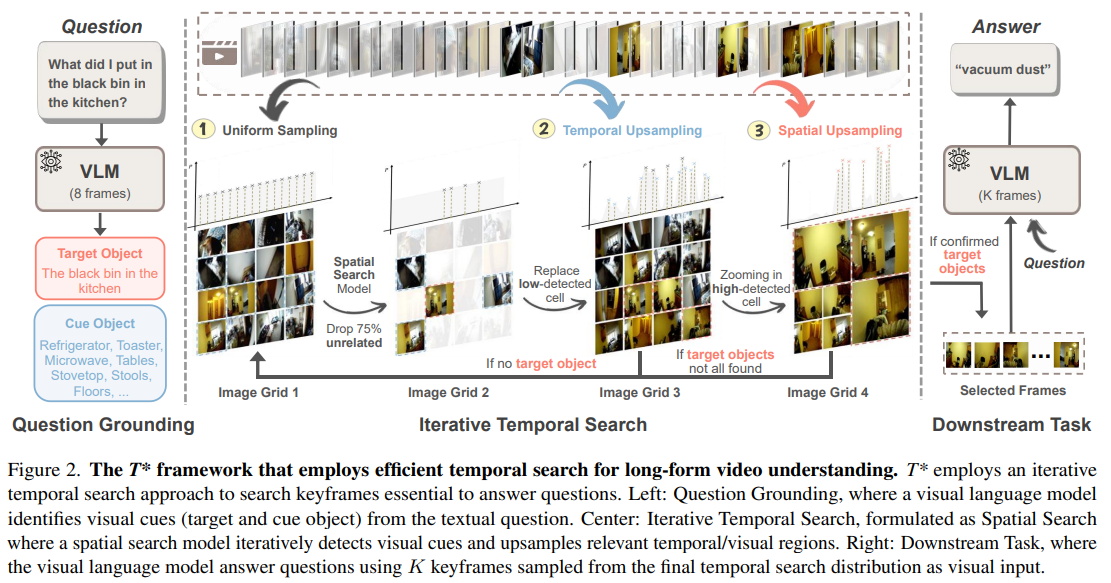
T* and LV-Haystack: A Spatially-Guided Temporal Search Framework for Efficient Long-Form Video Understanding Understanding long-form videos—ranging from minutes to hours—presents a major challenge in computer vision, especially as video understanding tasks expand beyond short clips. One of the key difficulties lies in efficiently identifying the few relevant frames from thousands within a lengthy video necessary… →
-
Fingerprint Matching Using OpenCV
Fingerprint matching plays a crucial role in various security applications, such as identity verification and criminal investigations. While most fingerprint matching systems rely on large machine learning models and sophisticated algorithms, it is also possible to perform this task with simpler, more accessible techniques. In this article, we’ll explore how basic OpenCV feature extraction operations,… →
-
This AI Paper Introduces a Machine Learning Framework to Estimate the Inference Budget for Self-Consistency and GenRMs (Generati…
This AI Paper Introduces a Machine Learning Framework to Estimate the Inference Budget for Self-Consistency and GenRMs (Generative Reward Models) Large Language Models (LLMs) have demonstrated significant advancements in reasoning capabilities across diverse domains, including mathematics and science. However, improving these reasoning abilities at test time remains a challenge researchers are actively addressing. The primary… →

-
Therapeutic benefits of acupoint massage at Yuji (LU10) and Zhaohai (KI6) for postoperative hoarseness in thyroid surgery patients
CONCLUSION: Early postoperative acupoint massage stimulation of thenar and Zhaohai points is conducive to the recovery of patients with hoarseness after thyroid surgery, improve the quality of patients’ voice, and effectively promote the rehabilitation of voice. →

-
The efficacy of an online exercise intervention for improving depressive symptoms among patients with subthreshold depression in primary care: protocol for a randomized controlled trial
BACKGROUND: Subthreshold depression is common in primary care and is associated with significant healthcare burden. There is emerging evidence for the benefits of Exercise can reduce depressive symptoms among people with diagnosed depression, but there is limited evidence for subthreshold depression in primary care setting. This study aims to examine the efficacy of a 12-week… →

-
Risk expression using likelihood ratios and natural frequencies in Bayesian inference tasks-a preregistered randomized-controlled crossover trial
CONCLUSION: Teaching Odds/LR next to natural frequencies potentially improves medical students’ understanding of PPV and may enhance their ability to make future diagnostic decisions. →

-
«There’s a lot of unknowns»: a thematic analysis of the experiences of young adults with cancer who died during a psychosocial intervention trial
CONCLUSIONS: YAs who approached end-of-life or saw unexpectedly fast declines in their healthcare trajectory showed many similarities to YAs outside of end-of-life contexts. Some, but not all, participants reflected on goals and challenges related to end-of-life during Bright IDEAs-YA participation. To ensure YAs are holistically understood, and that their priorities both prior to and during… →

-
Efficacy and safety of combined oral isotretinoin and desloratadine vs. isotretinoin alone in acne vulgaris: a comparative study
A combination of desloratadine (DESL) and oral isotretinoin (ISO) may enhance efficacy and reduce the side effects of ISO, particularly those affecting the skin and mucous membranes. We compared the efficacy and safety of this combination versus ISO alone with new dose regimens in the treatment of patients with acne vulgaris. This was a double-blinded,… →
