-
Adjunctive ketamine vs. buprenorphine in co-occurring major depressive disorder and opioid use disorder: a randomized, double-blind clinical trial assessing anxiety symptom severity and craving intensity
CONCLUSIONS: In conclusion, this randomized clinical trial provides evidence supporting the efficacy of adjunctive Ketamine and Buprenorphine in reducing anxiety symptoms and craving intensity in patients with co-occurring MDD and OUD. →

-
A study protocol for the CHinA National CancEr screening (CHANCES) trial: a randomized controlled study to compare the screening strategies for lung cancer and colorectal cancer
BACKGROUND: Well-implemented cancer screening strategies can significantly enhance early detection rates, leading to improved treatment outcomes and reduced mortality. However, there remains a paucity of high-quality evidence from developing regions. The CHinA National CancEr Screening (CHANCES) Trial aims to comprehensively evaluate and compare different screening strategies for lung cancer and colorectal cancer (CRC) in the… →

-
AI-enhanced guidance demonstrated improvement in novices’ Apical-4-chamber and Apical-5-chamber views
INTRODUCTION: Artificial Intelligence (AI) modules might simplify the complexities of cardiac ultrasound (US) training by offering real-time, step-by-step guidance on probe manipulation for high-quality diagnostic imaging. This study investigates real-time AI-based guidance tool in facilitating cardiac US training and its impact on novice users’ proficiency. →

-
Green Moonstone Metaphysical Properties For Healing
Green Moonstone Metaphysical Properties For Healing If you’re new to the world of crystals, let me introduce you to Green Moonstone . It& more than just a pretty stone. It’s known for its powerful metaphysical properties that can help heal your emotions and energy. In this blog, I’ll explore the healing energy of Green Moonstone… →

-
Genomic testing for bleeding disorders (GT4BD): protocol for a randomised controlled trial evaluating the introduction of whole genome sequencing early in the diagnostic pathway for patients with inherited bleeding disorders as compared with standard of care
INTRODUCTION: The current diagnostic pathway for patients with a suspected inherited bleeding disorder is long, costly, resource intensive, emotionally draining for patients and often futile, as half of patients will remain without a diagnosis and be labelled ‘bleeding disorder of unknown cause’. Advances in understanding the genetic basis of the inherited bleeding disorders, coupled with… →

-
IBM Releases Granite 3.3 8B: A New Speech-to-Text (STT) Model that Excels in Automatic Speech Recognition (ASR) and Automatic Sp…
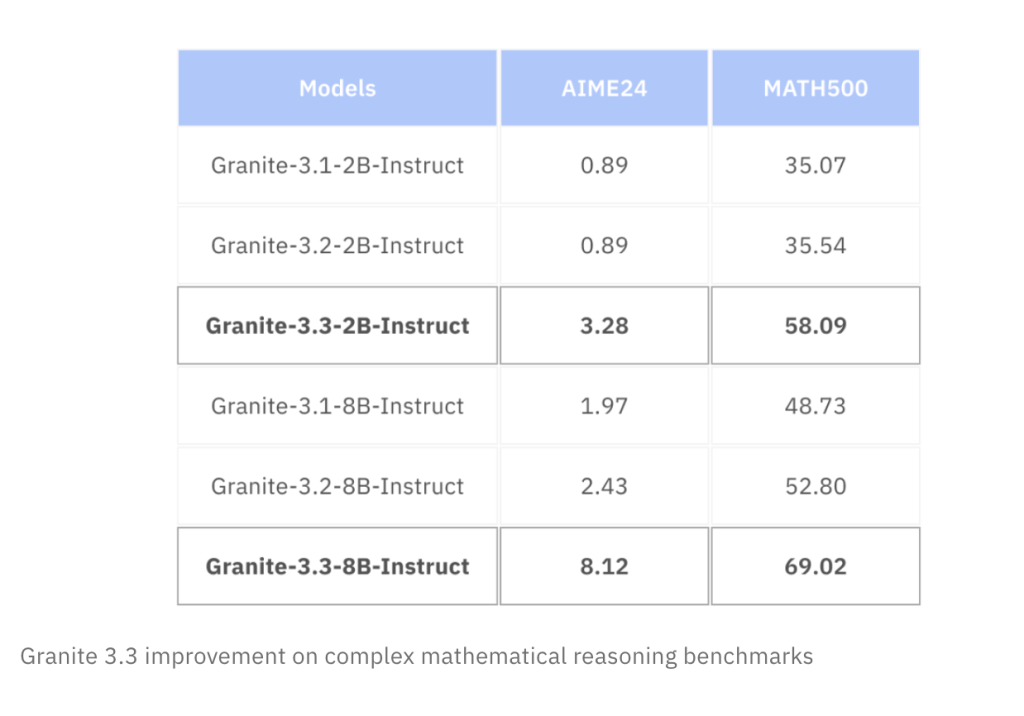
IBM Releases Granite 3.3 8B: A New Speech-to-Text (STT) Model that Excels in Automatic Speech Recognition (ASR) and Automatic Speech Translation (AST) As artificial intelligence continues to integrate into enterprise systems, the demand for models that combine flexibility, efficiency, and transparency has increased. Existing solutions often struggle to meet all these requirements. Open-source models may lack domain-specific capabilities,… →
-
OpenAI Releases a Practical Guide to Building LLM Agents for Real-World Applications
OpenAI Releases a Practical Guide to Building LLM Agents for Real-World Applications OpenAI has published a detailed and technically grounded guide, A Practical Guide to Building Agents , tailored for engineering and product teams exploring the implementation of autonomous AI systems. Drawing from real-world deployments, the guide offers a structured approach to identifying suitable use… →

-
Google Unveils Gemini 2.5 Flash in Preview through the Gemini API via Google AI Studio and Vertex AI….
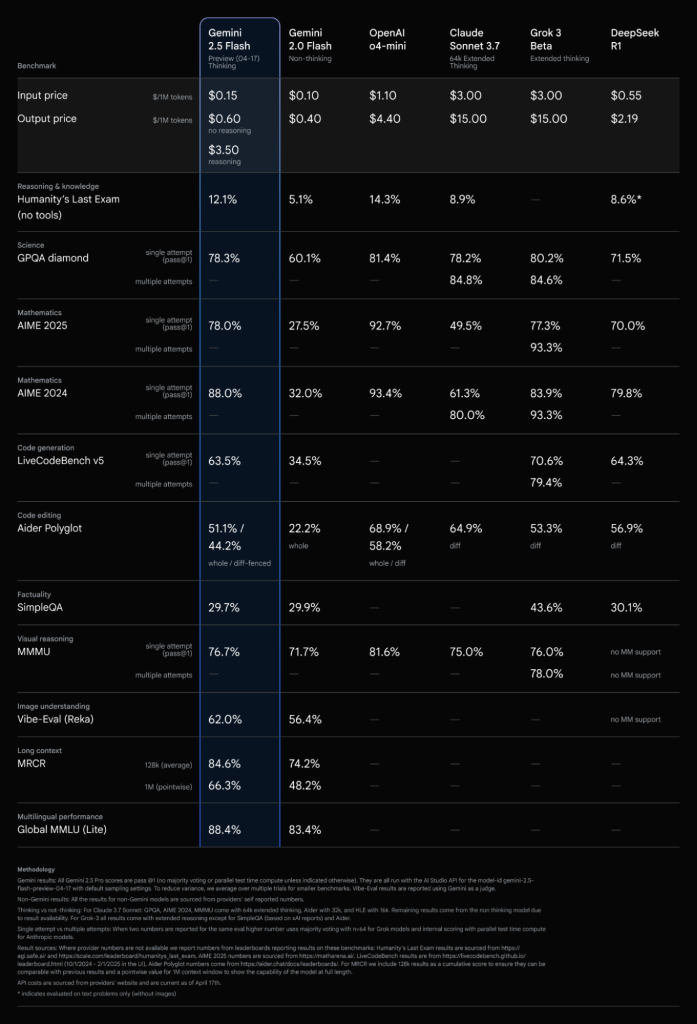
Google Unveils Gemini 2.5 Flash in Preview through the Gemini API via Google AI Studio and Vertex AI. Google has introduced Gemini 2.5 Flash, an early-preview AI model accessible via the Gemini API through Google AI Studio and Vertex AI. This model builds upon the foundation of Gemini 2.0 Flash, offering enhanced reasoning capabilities while maintaining a focus on speed… →
-
A Hands-On Tutorial: Build a Modular LLM Evaluation Pipeline with Google Generative AI and LangChain
A Hands-On Tutorial: Build a Modular LLM Evaluation Pipeline with Google Generative AI and LangChain Evaluating LLMs has emerged as a pivotal challenge in advancing the reliability and utility of artificial intelligence across both academic and industrial settings. As the capabilities of these models expand, so too does the need for rigorous, reproducible, and multi-faceted… →

-
Do Reasoning Models Really Need Transformers?: Researchers from TogetherAI, Cornell, Geneva, and Princeton Introduce M1—A Hybrid…
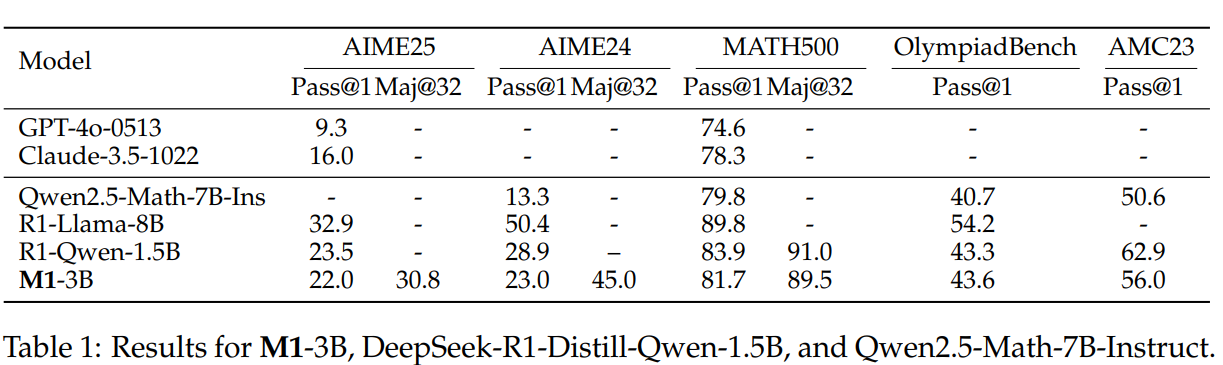
Do Reasoning Models Really Need Transformers?: Researchers from TogetherAI, Cornell, Geneva, and Princeton Introduce M1—A Hybrid Mamba-Based AI that Matches SOTA Performance at 3x Inference Speed Effective reasoning is crucial for solving complex problems in fields such as mathematics and programming, and LLMs have demonstrated significant improvements through long-chain-of-thought reasoning. However, transformer-based models face limitations… →